
Decoding Facial Expressions
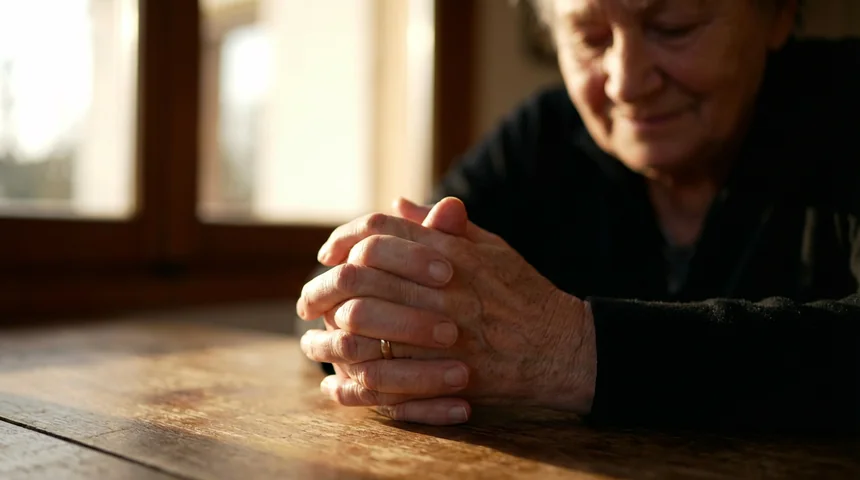
Much of what we communicate is conveyed without words. Facial expressions are a powerful indicator of our underlying emotions and can significantly influence how our message is received. We delve into the science of micro-expressions and how learning to read these subtle cues can improve your empathy and understanding. Recognizing the difference between a genuine smile and a forced one can change the entire dynamic of an interaction. Developing a keen eye for these fleeting expressions provides you with an invaluable tool for deeper interpersonal comprehension. Often, a person's verbal statements may contradict their true feelings, but their micro-expressions rarely lie. By tuning into these rapid, involuntary facial movements, you can respond to the underlying emotional reality of the situation, demonstrating a high level of empathy and emotional intelligence that makes the other person feel truly seen.
The Role of Posture and Proximity
How you hold yourself and the physical distance you maintain from others speaks volumes about your comfort level and intentions. Open posture can signal approachability and engagement, while crossed arms might indicate defensiveness. We explore the concepts of body language and proxemics, offering insights into how you can intentionally use your posture and physical space to foster more positive and open connections. Furthermore, becoming hyper-aware of your own spatial footprint can dramatically influence the flow and comfort of a conversation. Deliberately uncrossing your arms, leaning slightly forward, and maintaining an open stance sends a powerful subconscious signal that you are receptive and engaged. Conversely, respecting another person's need for physical space demonstrates your attunement to their comfort boundaries, thereby laying a crucial foundation of trust and safety.
Eye Contact and Engagement
Eye contact is one of the most direct forms of nonverbal communication. It can build trust, show attentiveness, and convey confidence. However, the appropriate amount of eye contact varies by context and culture. We will discuss how to find the right balance—maintaining enough eye contact to show you are engaged, without making the other person feel uncomfortable or scrutinized. Mastering the nuances of eye contact involves understanding the delicate rhythm of looking and looking away to process information. Staring too intensely can be perceived as aggressive or intimidating, while avoiding eye contact altogether may signal disinterest or a lack of confidence. By calibrating your gaze to match the emotional tone and cultural context of the interaction, you create a harmonious nonverbal dialogue that significantly reinforces your spoken words.
Aligning Verbal and Nonverbal Cues
When your words say one thing but your body language says another, it creates confusion and erodes trust. Ensuring that your nonverbal cues align with your verbal message is crucial for clear communication. We provide strategies for becoming more aware of your own body language and making conscious adjustments so that your intended message is delivered authentically and consistently. This concept of nonverbal congruence is absolutely essential for projecting authenticity and sincerity in your daily interactions. If your words offer support but your body language is closed off and rigid, the recipient will unconsciously register the discrepancy and may doubt your true intentions. By actively cultivating harmony between what you say and how you physically present yourself, you establish a consistent, reliable presence that naturally inspires trust and openness.
Reading the Room
Nonverbal communication is not just about individual interactions; it is also about understanding the collective mood of a group. We explore how to "read the room" by observing the overall body language and energy of a gathering. This skill is invaluable for navigating social situations, allowing you to adapt your approach and engage with others more effectively based on the unspoken dynamics at play. Cultivating this broad situational awareness allows you to navigate complex social environments with grace and emotional intelligence. By scanning the room for clusters of engagement, noting defensive postures, and sensing the overall tension or relaxation in the atmosphere, you can tailor your conversational approach accordingly. This perceptive capability not only helps you avoid social missteps but also positions you as a highly empathetic and socially adept communicator.